
Inside Modern Private Cancer Care: What London Patients Can Expect in 2026
Inside Modern Private Cancer Care: What London Patients Can Expect in 2026
A cancer diagnosis rarely arrives on a convenient day. It interrupts work schedules, family plans and the quiet assumption that health is something you don't have to think about. For patients in London who choose to go outside the NHS pathway in 2026, the private sector now handles a substantial share of that first, frightening conversation and everything that follows.
Private hospitals delivered over 318,000 cancer admissions in the UK between 2022 and mid-2025, according to the Private Healthcare Information Network. That volume reflects a structural shift: more patients are paying out of pocket or through insurance to skip waiting lists, and more consultants are building practices specifically around cancer care rather than general medicine.
What's changed most since the early 2020s isn't the underlying medicine but the infrastructure wrapped around it. Private clinics in central London have invested heavily in same-week diagnostic imaging, dedicated chemotherapy suites, and administrative teams whose only job is chasing insurance approvals so patients don't have to. None of that changes a tumour's biology, but it removes weeks of friction between diagnosis and the first treatment session.
Who Coordinates Your Care
The single biggest difference patients notice moving into private oncology is who answers the phone. Instead of a rotating team tied to a hospital trust's schedule, care in 2026 typically runs through one named consultant who owns the case from first scan to final follow-up.
In London, Dr James Wilson is one of the consultants building a practice on that model: a single point of contact who reviews imaging personally, sits in on multidisciplinary discussions, and remains reachable between appointments rather than handing patients off between departments.
That continuity matters more than it might sound. Patients repeating their history to a new registrar at every visit lose time and trust. A consultant-led model removes that friction, and it's becoming the baseline expectation rather than a premium add-on.
It also changes the tone of appointments. A consultant who has followed a case from the first suspicious scan tends to notice subtle shifts, a slightly different pattern on a follow-up image, a side effect that wasn't mentioned last time, that a rotating team could easily miss simply because they lack the baseline to compare against.
Speed From Symptom to Treatment
The gap between a worrying symptom and a treatment start date is where private care tends to outperform public pathways most visibly. Scans, biopsies and specialist reviews that might otherwise be spread across several weeks can often be compressed into days when a clinic controls its own diagnostic capacity.
This isn't just about comfort. Tumour biology doesn't pause for administrative queues, and earlier intervention frequently changes the range of treatment options still on the table. Patients who arrive at a private oncology consultation having already waited weeks for a GP referral are, in effect, buying back some of that lost time.
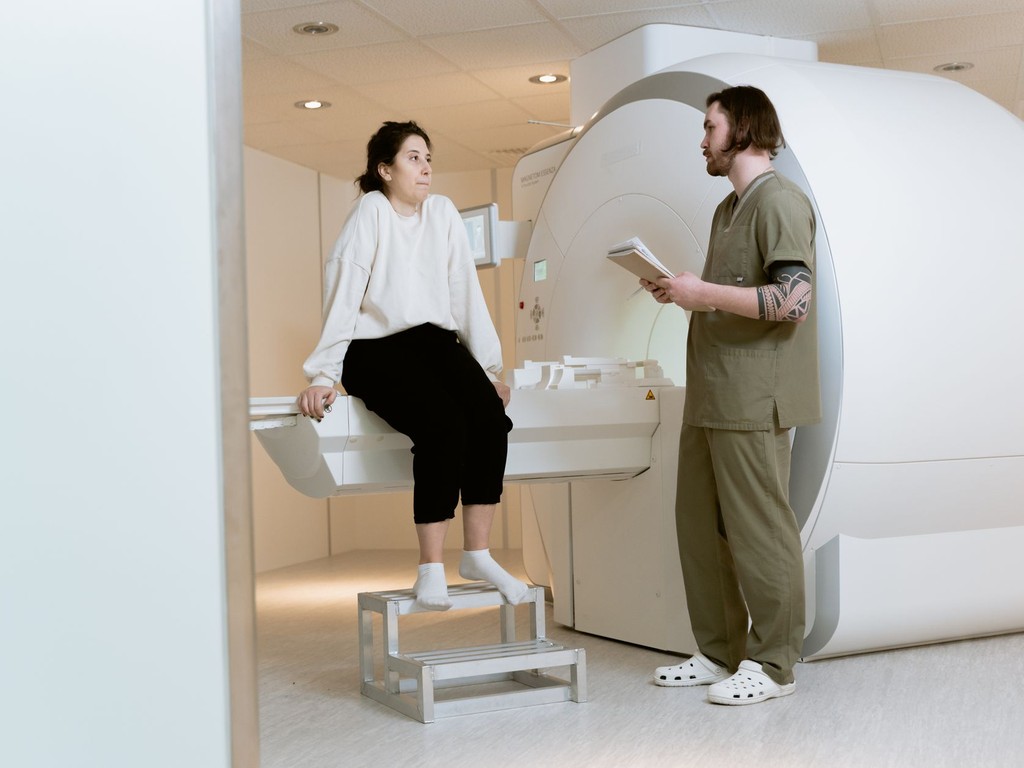
Some clinics now offer same-day CT or MRI slots specifically for oncology referrals, with radiologist reports turned around within 24 to 48 hours rather than the one to two week gap common in busier public radiology departments. For a patient waiting to learn whether a lump is benign, that difference in turnaround time is often the most stressful part of the entire process, and shortening it has become a genuine competitive factor between private providers.
Technology Patients Are Asking About
2026 patients are noticeably more informed than they were even three years ago. Many arrive at a first consultation having already read about proton therapy, liquid biopsies or AI-assisted imaging review, and they expect their consultant to have a clear, honest opinion on whether any of it applies to their specific case.
Good private oncologists in London have adapted to this by spending more consultation time explaining trade-offs rather than simply issuing instructions. A treatment that sounds cutting-edge in a headline may add cost and complexity without changing survival odds for a given stage and tumour type, and patients are increasingly asking that question directly.
AI-assisted image review is a good example of the gap between hype and current practice. Several London clinics now use software that flags subtle patterns on scans for a radiologist's attention, but the tool supplements human review rather than replacing it, and consultants are generally careful to say so when patients ask whether “AI diagnosed” their case.
What a Private Pathway Typically Costs
Private cancer treatment in the UK is not cheap, and consultants are generally direct about that upfront. A single course of chemotherapy can run into tens of thousands of pounds depending on the drug regimen, and surgery or radiotherapy adds further variable costs on top.
Most patients fund this through private medical insurance, though self-pay remains common for diagnostics and initial consultations even among the insured, since some policies exclude certain scan types or require a GP referral first. Clinics increasingly publish indicative pricing rather than leaving patients to ask.
The UK private healthcare market as a whole reached roughly 14.2 billion US dollars in 2025 and is projected to keep growing through the rest of the decade, a trajectory driven substantially by oncology and diagnostics rather than elective procedures. That growth is worth knowing about because it means more competition among providers, which in London has translated into somewhat more transparent pricing than was typical five years ago.
The Guardian reported in 2024 that hundreds of thousands of UK cancer patients were paying for private treatment specifically because of record NHS waiting times, a trend that has only become more entrenched heading into 2026. For many, the decision isn't about preferring private care philosophically. It's about which system can see them this month rather than next quarter.
Choosing Between NHS and Private Care
Very few patients treat this as a binary choice anymore. It's increasingly common to use a private consultation for a fast second opinion or an early scan, then return to NHS care for the treatment itself, or vice versa, using private radiotherapy to bridge a public waiting list.
Patients weighing this decision in 2026 are generally best served by asking their consultant directly which parts of a proposed pathway genuinely require private timelines and which could safely wait for an NHS slot without materially affecting outcome. That single conversation, uncomfortable as it can feel to raise, often does more to control both cost and anxiety than researching every treatment option independently.